
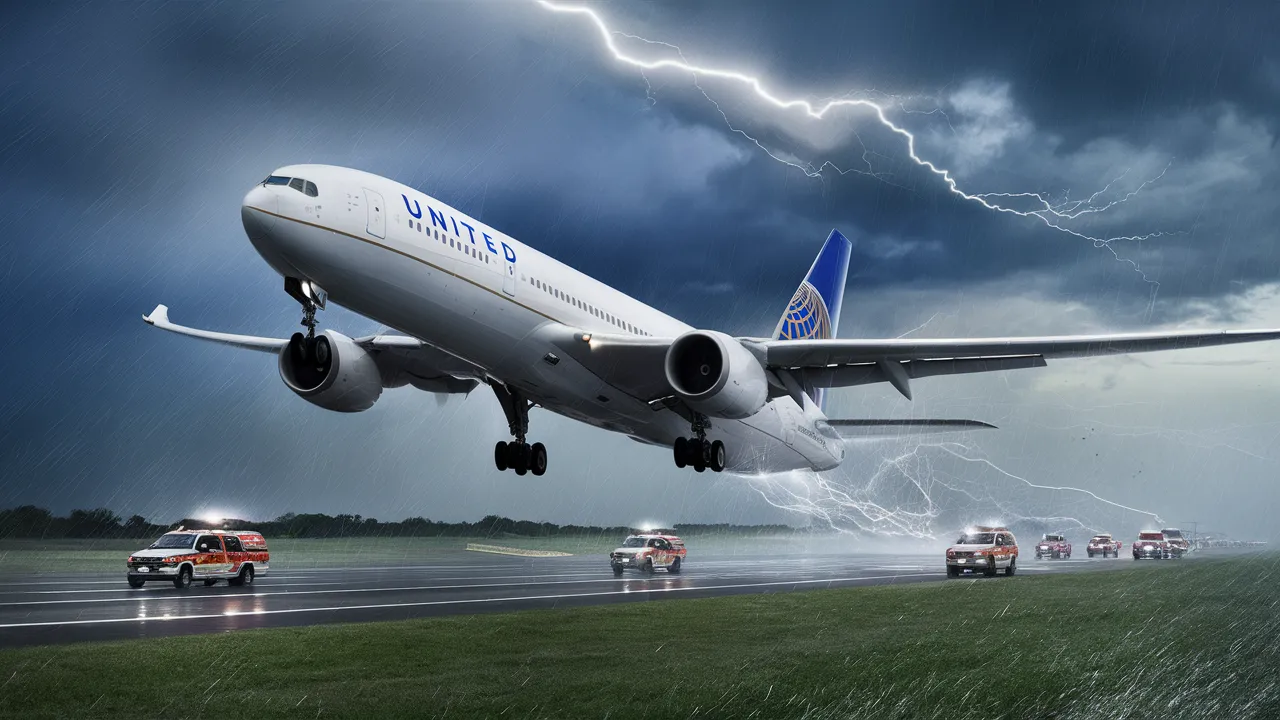
In the dynamic and highly regulated world of aviation, safety remains the highest priority. The United Airlines Flight UA770 Emergency Diversion has captured widespread attention, raising questions about in-flight safety protocols, aircraft performance, and airline response systems. As we examine this incident in detail, we uncover the sequence of events, the technical considerations, and the broader implications for passengers and the aviation industry.
Overview of United Airlines Flight UA770
United Airlines Flight UA770 Emergency Diversion was operating as a scheduled commercial flight when it encountered an unexpected situation requiring immediate action. Like many modern commercial aircraft, it was equipped with advanced safety systems designed to detect and respond to anomalies in real time. The aircraft, believed to be a Boeing 777 or similar long-haul jet, is engineered to handle complex operational challenges while ensuring passenger safety.
The flight was proceeding normally until a technical or operational irregularity prompted the crew to initiate an emergency diversion. Such decisions are never taken lightly and follow strict international aviation protocols.
What Triggered the Emergency Diversion
Emergency diversions typically occur due to a limited number of critical factors, including mechanical issues, medical emergencies, or environmental hazards. In the case of UA770, early reports suggest that the diversion may have been linked to a potential onboard system alert or passenger-related emergency, though exact details depend on official investigation findings.
Pilots are trained extensively to respond to such situations. The moment a potential risk is identified, they coordinate with air traffic control and airline operations centers to determine the safest and nearest airport for landing. This rapid decision-making process is guided by global aviation standards set by organizations such as the Federal Aviation Administration and international bodies.
Timeline of the UA770 Incident
A clear timeline helps us understand how efficiently the situation was managed:
- Initial Detection: The flight crew identified an irregularity during mid-flight operations.
- Assessment Phase: Onboard systems and manual checks were conducted to evaluate severity.
- Decision to Divert: The captain declared an emergency diversion as a precautionary measure.
- Coordination with ATC: Air traffic control provided routing to the nearest suitable airport.
- Safe Landing: The aircraft landed without further complications.
- Post-Landing Procedures: Emergency crews inspected the aircraft and assisted passengers.
This structured response highlights the effectiveness of modern aviation safety frameworks.
Passenger Experience During the Diversion
Passengers onboard United Airlines Flight UA770 Emergency Diversion likely experienced a mix of concern and uncertainty. However, airlines follow strict communication protocols to ensure passengers are informed without causing panic. Cabin crew play a critical role in maintaining calm, delivering updates, and ensuring safety procedures are followed.
In most emergency diversion cases, passengers report that the professionalism of the crew significantly reduces anxiety. The aircraft’s design, including cabin pressurization systems and redundant safety features, ensures that even during unexpected situations, passenger safety remains uncompromised.
Technical and Safety Measures in Modern Aircraft
Aircraft like those operated by United Airlines are equipped with multiple redundant systems, meaning that even if one component fails, backup systems immediately take over. This redundancy is a cornerstone of aviation safety.
Key safety features include:
- Advanced avionics systems that monitor aircraft performance in real time
- Automated alerts for pilots to detect anomalies instantly
- Fire suppression systems in cargo and engine compartments
- Multiple communication channels with ground control
These systems ensure that emergencies are managed proactively rather than reactively.
Airline Response and Operational Excellence
Following the diversion, United Airlines would have activated its incident response protocol, which includes:
- Immediate technical inspection of the aircraft
- Coordination with airport authorities
- Passenger assistance, including rebooking and accommodations
- Internal review and reporting
Airlines invest heavily in training and infrastructure to handle such events efficiently. This ensures minimal disruption while maintaining transparency and accountability.
Impact on Aviation Industry and Public Perception
Incidents like the United Airlines Flight UA770 Emergency Diversion often attract significant media attention. However, they also reinforce an important reality: aviation remains one of the safest modes of transportation globally.
Each incident provides valuable data that contributes to improving safety standards. Regulatory bodies analyze these events to refine guidelines, enhance training programs, and ensure continuous improvement across the industry.
Lessons Learned from UA770 Diversion
The UA770 incident highlights several critical lessons:
- Preparedness is essential: Pilots and crew must be ready to act instantly
- Technology plays a vital role: Modern aircraft systems enable early detection
- Communication is key: Clear updates help maintain passenger trust
- Safety-first approach works: Diversions are precautionary measures, not failures
These insights demonstrate how aviation prioritizes risk mitigation above all else.
Conclusion
The United Airlines Flight UA770 emergency diversion serves as a powerful example of how aviation systems, human expertise, and advanced technology work together to ensure safety under challenging circumstances. While such incidents may appear alarming, they are in fact evidence of a system functioning exactly as designed—detecting risks early and responding effectively.
As we continue to rely on global air travel, events like UA770 reaffirm confidence in the industry’s unwavering commitment to safety, precision, and passenger well-being.
Frequently Asked Questions (FAQ)
What is an emergency diversion in aviation?
An emergency diversion occurs when an aircraft changes its planned route to land at a different airport due to safety concerns or unforeseen circumstances.
Was United Airlines Flight UA770 in danger?
Emergency diversions are precautionary measures. The decision to divert indicates a proactive approach to safety rather than immediate danger.
How do pilots decide where to divert?
Pilots consider factors such as distance, runway availability, weather conditions, and airport facilities before selecting the best diversion point.
Are emergency diversions common?
They are relatively rare but not unusual. Modern aviation systems are designed to handle such situations efficiently.
What happens to passengers after a diversion?
Passengers are typically assisted with rebooking, accommodations, and support services to continue their journey smoothly.
