
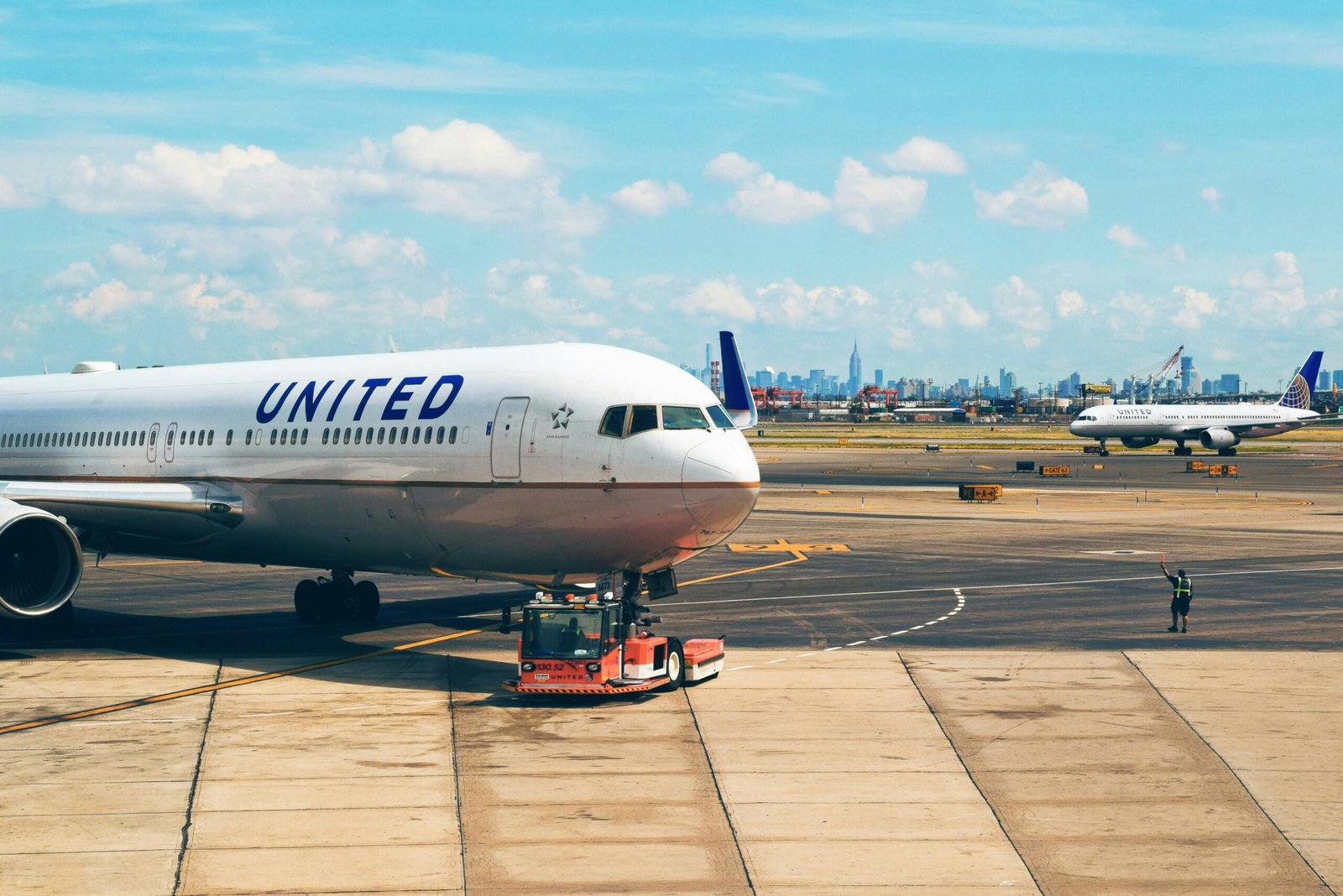
Air travel is one of the safest and most efficient forms of transportation, yet unexpected situations occasionally occur that require immediate decisions by airline crews. One such situation that captured public attention involved United Flight UA967, which was reportedly diverted during its journey. When news spreads about an aircraft diversion, passengers, aviation enthusiasts, and travelers naturally search for reliable information to understand what happened, why the diversion occurred, and how airlines handle such situations.
The phrase “united flight ua967 diverted” quickly becomes a trending search query when travelers attempt to learn about flight disruptions or safety events. Diversions are not uncommon in aviation, and they are often performed as precautionary measures to ensure the safety of passengers and crew members. Airlines follow strict operational guidelines when deciding to divert a flight, and pilots are trained to handle such situations with professionalism and precision.
In this comprehensive guide, we explore what flight diversions mean, why an aircraft such as United Airlines Flight UA967 may be diverted, the typical procedures followed by airlines, and what passengers should expect during such an event. Understanding the reasons behind flight diversions helps travelers remain calm and informed when unexpected travel changes occur.
Understanding Flight Diversions in Aviation
A flight diversion occurs when an aircraft changes its planned destination and lands at a different airport. Airlines make this decision only when necessary to protect the safety, comfort, or operational efficiency of the flight. In the case of United Airlines, pilots and flight operations teams closely monitor every flight to ensure it continues safely from departure to arrival.
When a diversion occurs, the pilot communicates with air traffic control to select the most appropriate alternate airport. The decision depends on multiple factors such as weather conditions, fuel levels, technical considerations, and airport facilities. Modern aircraft are equipped with advanced navigation systems that allow pilots to quickly adjust routes and land safely at alternate airports when required.
Flight diversions are part of standard aviation safety protocols. Although they can cause travel delays, they demonstrate the airline’s commitment to passenger safety and responsible operational decision-making.
Common Reasons Why Flights Are Diverted
When travelers search for “united flight ua967 diverted,” they often want to understand the possible reasons behind such an incident. In aviation, diversions typically occur due to a few well-known operational factors.
Weather Conditions
Severe weather is one of the most common reasons for flight diversions. Thunderstorms, strong winds, heavy snowfall, or low visibility may make landing at the original destination unsafe. Pilots may choose a nearby airport with better weather conditions to ensure a safe landing.
Medical Emergencies
Another frequent cause of flight diversion is a passenger or crew medical emergency. If someone onboard requires urgent medical attention, the aircraft may land at the nearest suitable airport where emergency services are available.
Technical Precautions
Aircraft are designed with multiple safety systems, but pilots may still divert a flight if they detect unusual technical readings or maintenance concerns. Even minor issues can lead to precautionary landings so that engineers can inspect the aircraft.
Air Traffic Congestion
Busy airports sometimes experience delays due to heavy traffic or operational issues. In rare situations, flights may divert to alternate airports if landing slots become unavailable.
Security Concerns
Although uncommon, security concerns can also lead to flight diversions. Airlines and aviation authorities take any potential security threat extremely seriously and prioritize passenger safety above all else.
What Passengers Experience During a Flight Diversion
When a flight such as United Flight UA967 is diverted, passengers may initially feel confused or concerned about the change in travel plans. However, airline crews are trained to communicate clearly and keep passengers informed throughout the process.
The pilot typically announces the diversion over the cabin intercom, explaining the reason and providing information about the new landing location. Cabin crew members assist passengers, answer questions, and ensure that everyone remains calm and comfortable during the remainder of the flight.
After landing at the alternate airport, the airline usually arranges new travel plans for passengers. This may include refueling the aircraft before continuing to the original destination or transferring passengers to another flight. In some cases, airlines provide accommodation and meals if overnight delays occur.
Although diversions can be inconvenient, they are handled with careful coordination between airline staff, airport authorities, and air traffic control teams.
Airline Safety Procedures During Diversions
Airlines operate under strict safety regulations established by international aviation authorities. When a flight diversion occurs, several operational procedures are immediately activated to manage the situation efficiently.
Pilots communicate with airline operations centers, which monitor the aircraft’s status and assist in identifying suitable alternate airports. Ground crews at the diversion airport prepare for the aircraft’s arrival, ensuring that runways, emergency services, and passenger assistance teams are ready.
Airlines also coordinate with airport authorities to handle passenger logistics, including baggage transfers, immigration procedures, and onward travel arrangements. These coordinated efforts ensure that passengers are safely accommodated and informed throughout the diversion process.
How Aviation Technology Improves Diversion Safety
Modern aviation technology plays a crucial role in managing flight diversions safely and efficiently. Aircraft are equipped with sophisticated navigation systems, weather radar, and communication tools that allow pilots to make informed decisions during unexpected situations.
Real-time data from airline operations centers provides pilots with updated information about weather conditions, airport traffic, and fuel availability. This technology enables quick route adjustments and helps crews select the safest alternate airport when necessary.
These technological advancements significantly reduce risks associated with diversions and ensure that flights continue operating under strict safety standards.
Impact of Flight Diversions on Travel Plans
Flight diversions can disrupt travel schedules, particularly for passengers with connecting flights or tight itineraries. Airlines typically work to minimize the impact by arranging alternative flights or transportation options as quickly as possible.
Travelers can also protect themselves from disruptions by allowing extra time between connecting flights and staying updated on airline notifications. Many airlines provide mobile apps that inform passengers about changes in flight status in real time.
Although diversions can be frustrating, they remain a vital part of aviation safety systems designed to protect everyone onboard.
Conclusion
The search term “united flight ua967 diverted” highlights how quickly travelers seek information when unexpected aviation events occur. Flight diversions may appear alarming at first, but they are standard safety procedures used by airlines worldwide to ensure passenger wellbeing.
Airlines such as United Airlines follow strict operational protocols when making diversion decisions. Whether the reason involves weather conditions, medical emergencies, or technical precautions, the primary goal is always to protect passengers and crew members.
Understanding the purpose and procedures behind flight diversions helps travelers appreciate the careful planning and professionalism that guide modern aviation operations. While diversions may cause temporary inconvenience, they ultimately demonstrate the airline industry’s commitment to maintaining the highest safety standards in air travel.
Frequently Asked Questions (FAQ)
Why was United Flight UA967 diverted?
Flights may be diverted for several reasons, including weather conditions, medical emergencies, technical checks, air traffic issues, or security concerns.
Are flight diversions dangerous?
No. Diversions are precautionary safety measures designed to ensure that the aircraft lands safely under the best possible conditions.
What happens after a flight is diverted?
After landing at the alternate airport, the airline arranges refueling, inspections, or passenger transfers before continuing the journey or arranging alternative travel.
Do passengers receive compensation for diverted flights?
Compensation policies vary depending on the airline and the reason for the diversion. Airlines typically assist passengers with rebooking, meals, or accommodations when necessary.
How often do flights get diverted?
Flight diversions are relatively rare compared to the total number of daily flights worldwide. When they occur, they are handled through well-established safety procedures to ensure a secure outcome for everyone onboard.
