
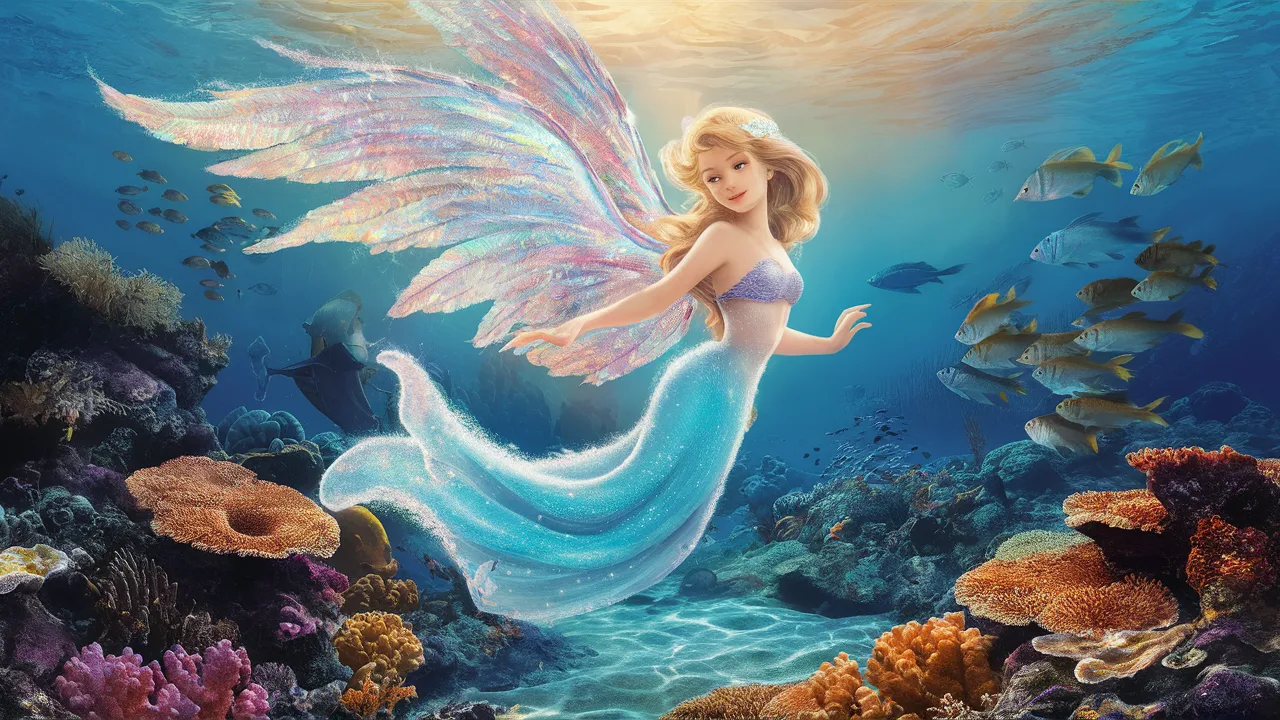
The Sea Angel is one of the most fascinating and visually enchanting creatures found in the ocean. Despite its delicate appearance and graceful movements, this tiny marine animal plays an important role in the ocean ecosystem. Floating through cold waters with wing-like appendages that resemble angelic wings, the Sea Angel has captured the imagination of scientists, marine photographers, and ocean enthusiasts around the world.
Although the name may sound mythical, the Sea Angel is a real marine organism belonging to a group of swimming sea slugs known as pelagic gastropods. These small creatures are usually only a few centimeters long, yet they possess unique biological features that allow them to survive in some of the harshest marine environments on Earth. Their transparent bodies, graceful swimming style, and predatory feeding behavior make them one of the most intriguing animals studied in marine biology.
In this comprehensive guide, we explore the Sea Angel’s biology, habitat, diet, behavior, and ecological importance, revealing why this tiny creature is considered one of the ocean’s most extraordinary inhabitants.
What Is a Sea Angel?
Scientific Classification
The Sea Angel belongs to the scientific genus Clione, a group of free-swimming sea slugs that inhabit cold ocean waters. Unlike most sea slugs that live on the seafloor, Sea Angels are pelagic animals, meaning they spend their lives drifting and swimming in open water.
Their bodies are mostly transparent, which helps them blend into their surroundings and avoid predators. This transparency also gives them their ghostly and angelic appearance as they float through the ocean.
Sea Angels are part of a larger group called pteropods, which translates to “wing-footed” in Greek. This name perfectly describes their wing-like appendages that allow them to swim gracefully through the water.
Unique Physical Features of the Sea Angel
Transparent Body Structure
One of the most remarkable characteristics of the Sea Angel is its nearly transparent body. This adaptation helps protect the creature from predators by making it difficult to detect in the water column.
The transparency also allows scientists to observe internal organs and biological processes more easily than in many other marine species.
Wing-Like Swimming Appendages
Sea Angels swim using a pair of delicate, wing-like structures called parapodia. These appendages move in a flapping motion that resembles the wings of a flying insect or bird.
This graceful swimming style is one reason why the creature earned the nickname “Sea Angel.” As it drifts through the water, its movements appear almost magical.
Small but Complex Anatomy
Although most Sea Angels measure only 1 to 5 centimeters in length, they possess surprisingly complex anatomy. They have a nervous system, digestive organs, and specialized feeding structures that allow them to capture prey.
These features make them highly efficient predators despite their tiny size.
Where Do Sea Angels Live?
Cold Ocean Environments
Sea Angels are primarily found in cold ocean regions, particularly in the Arctic and Antarctic waters. They thrive in icy seas where temperatures remain extremely low throughout the year.
These environments may seem harsh, but they provide the conditions necessary for Sea Angels and their prey to survive.
Open Ocean Habitat
Unlike many marine animals that live near reefs or on the seafloor, Sea Angels inhabit the open ocean water column. They drift with ocean currents and swim freely through the water in search of food.
This pelagic lifestyle allows them to travel long distances across the ocean.
What Do Sea Angels Eat?
A Specialized Predator
Despite their gentle appearance, Sea Angels are predators. Their primary prey is another type of marine creature called the Sea Butterfly, which is another species of pteropod.
Sea Angels have evolved specialized feeding structures that allow them to capture and consume these small animals efficiently.
Unique Hunting Strategy
When hunting, a Sea Angel extends tentacle-like appendages that help grab its prey. Once captured, the Sea Angel pulls the prey toward its mouth and begins feeding.
This predatory behavior contrasts sharply with the creature’s delicate appearance.
Sea Angels and Climate Change
Impact of Ocean Acidification
One major concern facing Sea Angels today is ocean acidification, a process caused by increasing levels of carbon dioxide in the atmosphere. When CO₂ dissolves in seawater, it changes the water’s chemistry.
This chemical change can affect the survival of pteropods, including both Sea Angels and their prey.
Why Sea Angels Matter in Marine Ecosystems
Sea Angels play an important role in marine food chains. They help regulate populations of other planktonic organisms and serve as food for larger marine animals.
Because of this role, scientists consider them an important indicator species for understanding changes in ocean ecosystems.
Why Sea Angels Fascinate Scientists
Unique Adaptations
Researchers study Sea Angels because of their remarkable adaptations to cold ocean environments. Their transparent bodies, specialized feeding mechanisms, and unusual swimming style offer insights into marine evolution.
Indicators of Ocean Health
Because they are sensitive to environmental changes, Sea Angels can provide valuable information about climate change and ocean conditions. Studying their populations helps scientists understand how marine ecosystems respond to shifting temperatures and chemistry.
Sea Angels in Popular Culture and Photography
The delicate beauty of Sea Angels has made them popular subjects in underwater photography and documentaries. Their slow, graceful movements create stunning visual imagery that often appears almost otherworldly.
These images have helped raise awareness about the diversity of marine life and the importance of protecting ocean ecosystems.
Conclusion
The Sea Angel is one of the ocean’s most captivating creatures. With its transparent body, wing-like swimming appendages, and graceful movements, it truly lives up to its heavenly name. Yet beneath its delicate appearance lies a skilled predator perfectly adapted to life in cold ocean waters.
From Arctic seas to the open ocean water column, Sea Angels demonstrate the incredible diversity of marine life. Their presence highlights the complexity of ocean ecosystems and the delicate balance required to maintain them.
As scientists continue to study these fascinating creatures, Sea Angels will remain important indicators of environmental change and powerful reminders of the beauty hidden beneath the ocean’s surface.
Frequently Asked Questions (FAQ)
What is a Sea Angel?
A Sea Angel is a small free-swimming sea slug that lives in cold ocean waters and belongs to the group of marine animals called pteropods.
Where are Sea Angels found?
They are mainly found in Arctic and Antarctic oceans, where they drift through the open water.
What do Sea Angels eat?
Sea Angels primarily feed on Sea Butterflies, another type of tiny marine organism.
Are Sea Angels dangerous to humans?
No, Sea Angels are extremely small and harmless to humans.
Why are Sea Angels important?
They play an important role in marine ecosystems and help scientists study ocean health and climate change.
