
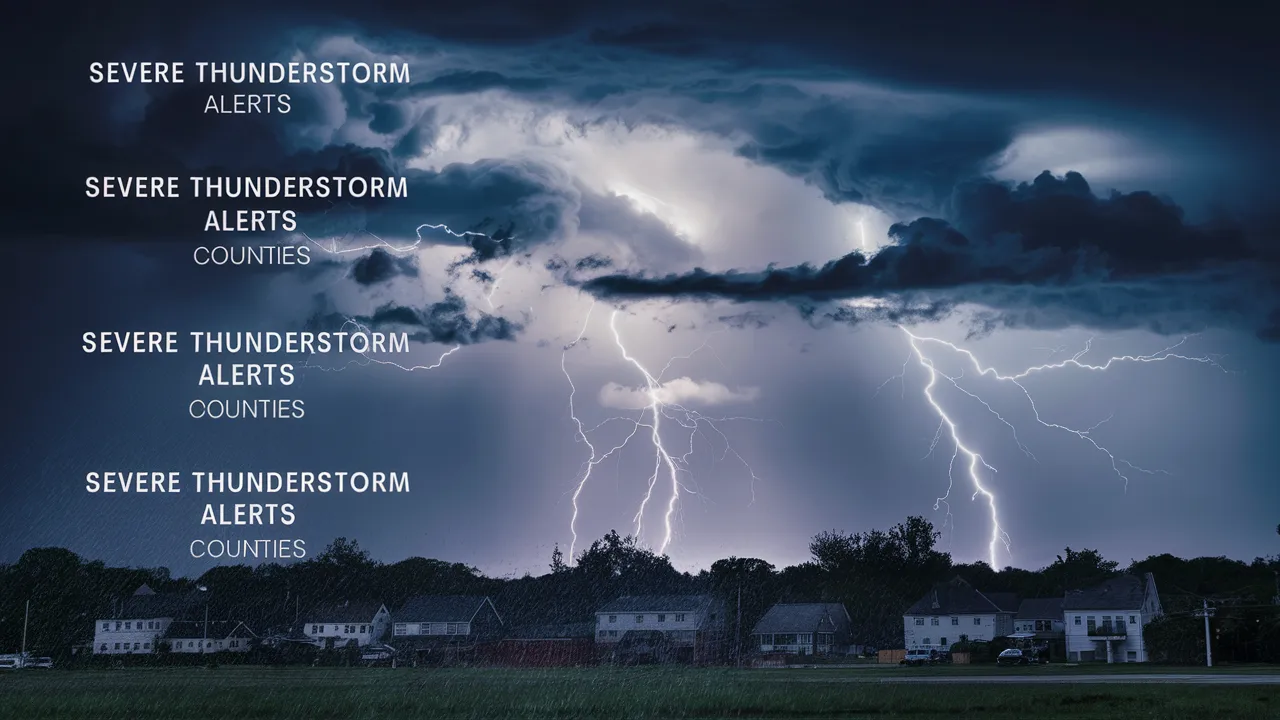
We are witnessing a significant surge in severe weather activity as multiple severe thunderstorm alerts have been issued across several South Carolina counties. These alerts indicate the presence of dangerous weather conditions, including heavy rainfall, strong winds, lightning strikes, and potential flash flooding. As weather systems intensify, it becomes critical for residents and travelers to stay informed and prepared. In this comprehensive guide, we present detailed insights, affected regions, risk factors, and essential safety precautions to help communities navigate these challenging conditions effectively.
Understanding the Severity of Thunderstorm Alerts
Multiple Severe Thunderstorm Alerts Issued for South Carolina Counties are not routine notifications; they represent high-risk weather developments that can escalate rapidly. When authorities issue multiple severe thunderstorm warnings, it typically signals the presence of unstable atmospheric conditions, where warm, moist air collides with cooler air masses, creating powerful storm systems.
These storms can produce:
- Wind gusts exceeding 60 mph
- Large hail capable of damaging property
- Frequent lightning strikes posing life-threatening risks
- Torrential rainfall leading to flash floods
The current alerts across South Carolina counties indicate widespread storm activity, rather than isolated incidents, increasing the potential for regional disruption.
Counties Affected by Severe Thunderstorm Alerts
We are observing that multiple counties across South Carolina are under alert due to rapidly evolving storm patterns. These alerts often cover both urban centers and rural communities, amplifying the importance of widespread awareness.
Typically affected regions include:
- Central South Carolina counties experiencing heavy rainfall
- Coastal areas facing intense lightning and strong winds
- Upstate regions encountering hail and localized flooding
The broad coverage of these alerts suggests a large-scale weather system, making it essential for residents across all counties to remain vigilant.
Real-Time Weather Developments and Conditions
Current meteorological data highlights intense thunderstorm cells moving across the state, bringing:
- Rapid temperature fluctuations
- High humidity levels fueling storm intensity
- Unpredictable wind patterns increasing damage risks
We are seeing fast-moving storm fronts, which reduce reaction time and make real-time monitoring essential. These conditions can shift quickly, transforming a mild storm into a severe weather event within minutes.
Impact of Severe Thunderstorms on Communities
The consequences of severe thunderstorms extend beyond immediate weather conditions. Communities may experience:
1. Infrastructure Damage
Strong winds and falling debris can cause power outages, damaged buildings, and blocked roads, disrupting daily life.
2. Transportation Disruptions
Heavy rainfall and poor visibility often lead to hazardous driving conditions, flight delays, and public transport interruptions.
3. Flooding Risks
Flash floods are among the most dangerous outcomes, especially in low-lying areas and regions with poor drainage systems.
4. Public Safety Concerns
Lightning strikes and flying debris pose serious threats to human safety, making outdoor exposure extremely dangerous.
Essential Safety Measures During Thunderstorm Alerts
We emphasize the importance of immediate and proactive safety measures to minimize risks during severe weather events.
Stay Indoors and Avoid Exposure
Remain inside sturdy structures and avoid windows during storms. Lightning and high winds can cause unexpected hazards.
Monitor Weather Updates Continuously
Use reliable sources such as weather apps and local broadcasts to stay informed about changing conditions and updated alerts.
Prepare Emergency Supplies
Keep essential items ready, including:
- Flashlights and batteries
- First aid kits
- Drinking water and non-perishable food
Avoid Flooded Areas
Never attempt to drive or walk through flooded roads. Even shallow water can hide hazards or sweep vehicles away.
Secure Outdoor Objects
Loose items like furniture or tools can become dangerous projectiles in strong winds.
Why These Alerts Demand Immediate Attention
The issuance of multiple severe thunderstorm alerts simultaneously indicates a high-impact weather scenario. Unlike isolated warnings, widespread alerts suggest:
- Greater geographic impact
- Higher probability of damage
- Increased risk to public safety
We must treat these alerts with urgency, ensuring that all precautions are taken to protect lives and property.
Preparedness Strategies for Residents
Preparedness is the most effective way to reduce the impact of severe thunderstorms. We recommend:
- Creating a family emergency plan
- Identifying safe shelter locations
- Keeping communication devices fully charged
- Storing important documents securely
By adopting these strategies, residents can respond quickly and efficiently during emergencies.
Long-Term Weather Awareness and Readiness
Severe weather events are becoming increasingly frequent, making long-term awareness and preparedness essential. Communities should invest in:
- Weather alert systems
- Community emergency response plans
- Public education on storm safety
These proactive steps ensure that individuals and communities remain resilient in the face of extreme weather conditions.
Conclusion
We are currently facing a serious weather situation with Multiple Severe Thunderstorm Alerts Issued for South Carolina Counties. These alerts highlight the urgent need for awareness, preparedness, and immediate action. By staying informed, following safety guidelines, and preparing in advance, we can significantly reduce risks and ensure the safety of our communities. Severe weather may be unpredictable, but our response does not have to be. Vigilance, preparation, and timely action remain our strongest defenses against these powerful natural events.
Frequently Asked Questions (FAQ)
What does a severe thunderstorm alert mean?
A severe thunderstorm alert indicates the presence or high likelihood of dangerous weather conditions, including strong winds, heavy rain, hail, and lightning.
Which areas are most at risk during these alerts?
Both urban and rural counties across South Carolina can be affected, especially regions prone to flooding or strong wind exposure.
How long do severe thunderstorm alerts last?
Alerts typically last for a few hours, but conditions can change rapidly, requiring continuous monitoring.
What should I do during a severe thunderstorm warning?
Stay indoors, avoid windows, monitor updates, and keep emergency supplies ready.
Are severe thunderstorms dangerous?
Yes, severe thunderstorms can cause significant damage, injuries, and even fatalities if proper precautions are not taken.
