
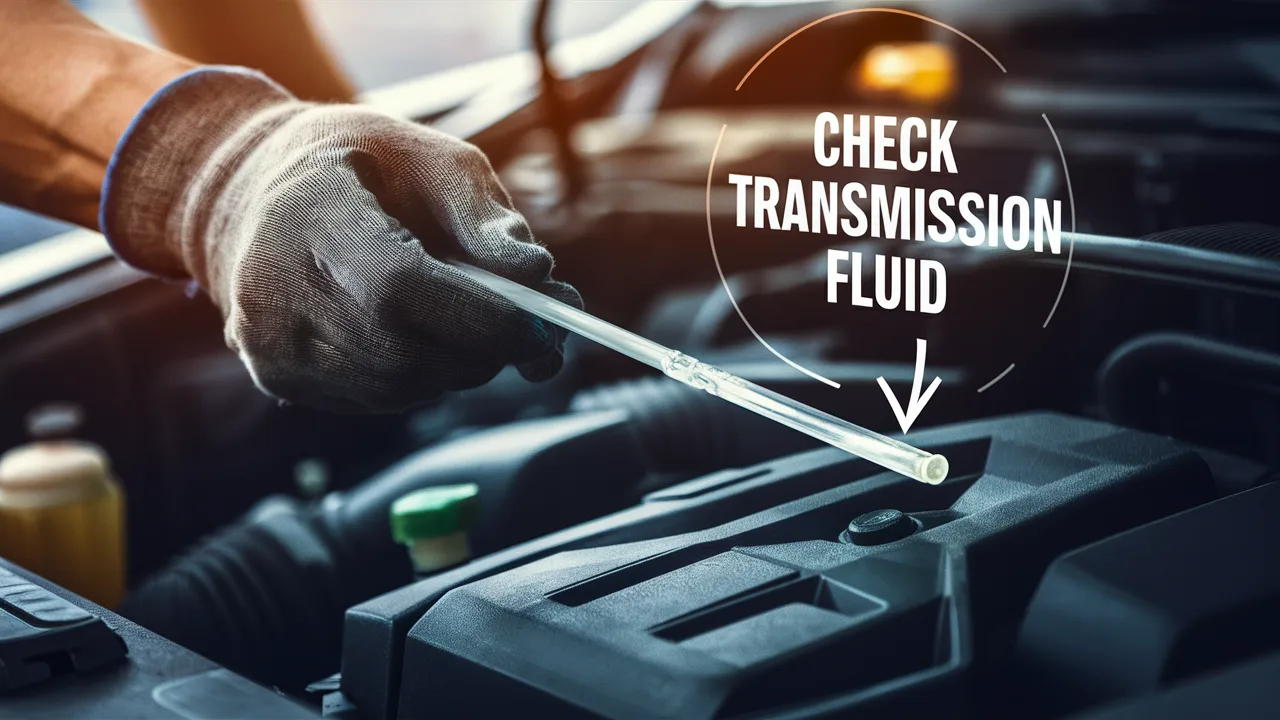
Understanding how to check transmission fluid is an essential skill for every vehicle owner who wants to maintain optimal performance, extend engine life, and avoid costly repairs. Transmission fluid plays a critical role in lubricating moving parts, cooling the transmission system, and ensuring smooth gear shifts. Neglecting this simple maintenance task can lead to serious mechanical issues, reduced efficiency, and even complete transmission failure.
In this comprehensive guide, we provide a detailed, step-by-step explanation of how to check transmission fluid correctly, along with expert tips, common mistakes to avoid, and signs that indicate fluid problems. This article is designed to deliver clear, practical, and actionable information for both beginners and experienced drivers.
What is Transmission Fluid and Why It Matters
Transmission fluid is a specialized lubricant designed to keep your vehicle’s transmission system running smoothly. It reduces friction, prevents overheating, and ensures that gears shift seamlessly. Without proper fluid levels and quality, your vehicle may experience rough shifting, slipping gears, or complete transmission failure.
Regularly checking transmission fluid is a simple yet powerful maintenance habit that can significantly improve your vehicle’s longevity and performance.
When Should You Check Transmission Fluid?
Checking transmission fluid should be part of your routine vehicle maintenance schedule. Most experts recommend inspecting it:
- Every once a month for regular drivers
- Before long trips
- When experiencing unusual driving behavior
- During routine oil changes
Consistency is key to identifying potential issues early and preventing major damage.
Tools You Need to Check Transmission Fluid
Before starting, gather the following:
- Clean cloth or paper towel
- Gloves (optional for cleanliness)
- Owner’s manual for reference
Having the right tools ensures a clean and accurate inspection process.
Step-by-Step Guide: How to Check Transmission Fluid
Step 1: Warm Up the Engine
Start your car and let it run for a few minutes. Transmission fluid expands when warm, so checking it at operating temperature provides accurate readings.
Step 2: Park on a Level Surface
Ensure your vehicle is parked on a flat, stable surface to avoid incorrect fluid level readings.
Step 3: Locate the Transmission Dipstick
Open the hood and find the transmission dipstick, usually marked with a bright handle. Refer to your owner’s manual if needed.
Step 4: Remove and Clean the Dipstick
Pull out the dipstick and wipe it clean using a cloth. This removes old fluid and ensures a clear measurement.
Step 5: Reinsert and Remove Again
Insert the dipstick fully back into its tube, then pull it out again to check the fluid level.
Step 6: Check Fluid Level
Observe the markings on the dipstick. The fluid should be within the recommended range, typically between “Full” and “Add” lines.
Step 7: Inspect Fluid Condition
Healthy transmission fluid should be:
- Bright red or pink in color
- Smooth and clean in texture
- Free from burnt smell
Dark, dirty, or burnt-smelling fluid indicates the need for replacement.
How to Check Transmission Fluid Without a Dipstick
Some modern vehicles do not have a dipstick. In such cases:
- Check fluid through a sealed transmission system
- Use a professional diagnostic tool
- Visit a mechanic for accurate inspection
These systems require specialized methods, making professional assistance recommended.
Common Signs of Transmission Fluid Problems
1. Slipping Gears
If your vehicle struggles to stay in gear, low or contaminated fluid may be the cause.
2. Delayed Shifting
Slow or rough gear changes often indicate fluid issues.
3. Unusual Noises
Grinding or whining sounds can signal insufficient lubrication.
4. Burning Smell
Overheated or degraded fluid produces a distinct burnt odor.
5. Fluid Leaks
Red or brown fluid under your vehicle is a clear sign of a leak.
Tips for Maintaining Healthy Transmission Fluid
- Check fluid levels regularly
- Use the correct fluid type specified by your manufacturer
- Avoid overfilling, as it can cause pressure issues
- Replace fluid according to recommended intervals
- Address leaks immediately
These practices ensure your transmission remains efficient and reliable.
Automatic vs Manual Transmission Fluid Checks
Automatic Transmission
Most automatic vehicles have a dipstick, making checks relatively simple and quick.
Manual Transmission
Manual transmissions often require checking fluid through a fill plug, which may need tools and expertise.
Understanding your vehicle type helps you perform the correct procedure.
Common Mistakes to Avoid
- Checking fluid when the engine is cold
- Ignoring fluid color and smell
- Using the wrong type of transmission fluid
- Overfilling or underfilling
- Skipping regular inspections
Avoiding these mistakes ensures accurate results and better vehicle health.
Why Regular Transmission Fluid Checks Are Important
Regular checks help:
- Prevent expensive repairs
- Improve fuel efficiency
- Ensure smooth driving performance
- Extend the lifespan of your transmission
This simple maintenance step can save both time and money in the long run.
Conclusion
Knowing how to check transmission fluid is a crucial aspect of responsible vehicle ownership. By following the correct steps, monitoring fluid condition, and maintaining regular checks, you can ensure your vehicle operates smoothly and efficiently.
This essential practice not only enhances performance but also protects your vehicle from costly damage. With proper care and attention, your transmission system will remain reliable, efficient, and long-lasting.
Frequently Asked Questions (FAQ)
1. How often should I check transmission fluid?
It is recommended to check it once a month or during routine maintenance.
2. What color should transmission fluid be?
Healthy fluid is typically bright red or pink.
3. Can I drive with low transmission fluid?
It is not advisable, as it can cause serious transmission damage.
4. Do all cars have a transmission dipstick?
No, some modern vehicles use sealed systems without dipsticks.
5. What happens if I overfill transmission fluid?
Overfilling can lead to pressure issues and poor performance.
