
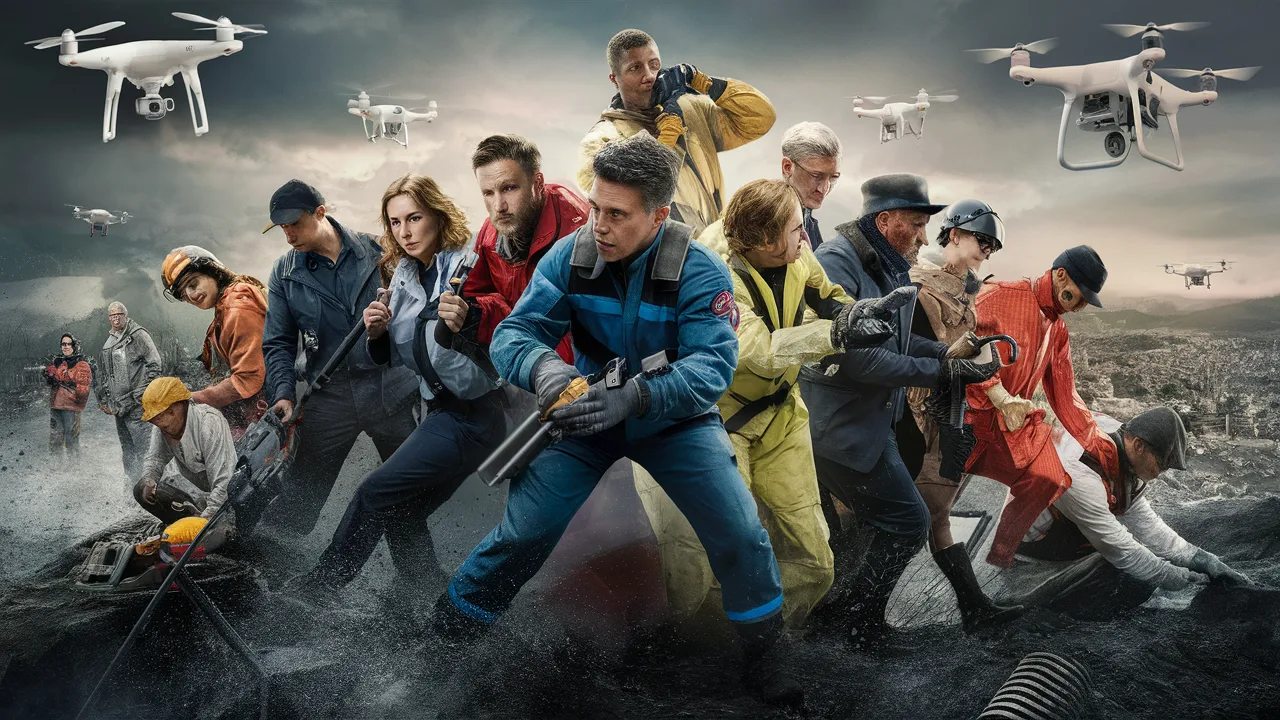
In an era marked by climate volatility, rapid urbanization, technological hazards, and complex humanitarian crises, the question how can we empower the disaster management crew becomes central to global stability and community resilience. Disaster management teams are the frontline defenders during earthquakes, floods, pandemics, wildfires, and industrial accidents. Their performance determines the scale of human survival, infrastructure preservation, and societal recovery. Empowerment is not symbolic; it requires structured investment in skills, tools, coordination, authority, and psychological resilience. We must adopt a holistic strategy that strengthens operational capacity, improves inter-agency collaboration, and ensures sustainable readiness. By implementing advanced training programs, modern technologies, strategic leadership models, and community integration systems, we create disaster management crews capable of executing precise, timely, and life-saving interventions under extreme pressure.
Understanding the Core Structure of Disaster Management Crews
Disaster management crews operate within a structured framework that includes preparedness, mitigation, response, and recovery phases. Each phase demands specialized competencies and seamless communication. Preparedness involves risk assessment, hazard mapping, emergency simulations, and resource allocation planning. Mitigation focuses on preventive strategies such as structural reinforcement, public education campaigns, and environmental monitoring systems. The response phase requires rapid deployment, medical triage, evacuation coordination, and real-time decision-making. Recovery encompasses rebuilding infrastructure, restoring utilities, and supporting psychological rehabilitation for affected communities. Empowering these teams means strengthening every phase with measurable standards, clear accountability mechanisms, and operational autonomy. When disaster management crews function within a well-defined structure supported by strong governance, their effectiveness multiplies significantly.
Advanced Training and Continuous Skill Development
The foundation of empowerment lies in specialized training programs that simulate real-world disaster scenarios. We must invest in scenario-based drills, cross-agency exercises, and simulation technologies that expose teams to multi-hazard environments. Training should include urban search and rescue techniques, medical emergency response, hazardous material handling, cybersecurity incident response, and crisis communication strategies. Incorporating artificial intelligence–driven simulations enables crews to practice decision-making under dynamic conditions. Continuous professional development programs ensure that knowledge evolves alongside emerging risks such as climate-induced disasters and digital infrastructure failures. Empowerment requires that disaster management personnel receive certifications, leadership coaching, and performance-based evaluations. When training is systematic and progressive, teams gain confidence, precision, and resilience.
Integrating Technology for Smart Emergency Response
Strengthening Leadership and Command Structures
Effective disaster response requires decisive leadership and clearly defined command hierarchies. We must establish incident command systems that delineate roles, responsibilities, and reporting channels. Leaders should receive crisis decision-making training, conflict resolution skills, and adaptive management capabilities. Transparent authority structures reduce ambiguity and prevent operational paralysis. Leadership empowerment also includes decentralization where local commanders possess autonomy to act swiftly without bureaucratic delays. Mentorship programs cultivate emerging leaders within disaster management organizations, ensuring continuity and institutional knowledge preservation. When leadership is competent and strategically aligned, disaster management crews operate with unity, discipline, and clarity of mission.
Resource Optimization and Infrastructure Support
Empowerment demands access to modern equipment, reliable transportation, medical supplies, protective gear, and emergency shelters. We must ensure sustainable funding models that prioritize long-term preparedness rather than reactive spending. Strategic stockpiling of essential supplies reduces logistical bottlenecks during crises. Infrastructure investments should include resilient communication towers, reinforced emergency operation centers, and renewable energy backup systems. Transparent procurement processes guarantee quality and accountability. Resource mapping systems help identify gaps and distribute assets efficiently. A well-equipped disaster management crew can respond decisively without dependency on delayed external assistance.
Psychological Resilience and Mental Health Support
Disaster response environments expose crews to trauma, stress, and emotional exhaustion. Empowerment requires structured mental health support programs, including counseling services, peer support networks, and stress management workshops. Rotational deployment schedules prevent burnout and maintain performance consistency. Psychological resilience training enhances coping mechanisms and emotional intelligence. Leaders must foster a culture that encourages open dialogue about stress and trauma without stigma. By prioritizing mental well-being, we preserve the long-term operational strength and morale of disaster management personnel.
Community Integration and Public Participation
Policy Frameworks and International Collaboration
Global cooperation strengthens disaster management systems through shared expertise and resource exchange. We must align national frameworks with international best practices and establish cross-border mutual aid agreements. Participation in global disaster response exercises fosters interoperability and knowledge transfer. Data sharing agreements enhance predictive modeling and risk assessment accuracy. Strong policy frameworks institutionalize accountability, funding allocation, and performance metrics. International collaboration expands the strategic capacity of disaster management crews beyond domestic limitations.
Performance Evaluation and Continuous Improvement
Empowerment requires measurable benchmarks and transparent evaluation systems. Post-incident reviews identify operational strengths and weaknesses. Data analytics assess response times, casualty management efficiency, and logistical effectiveness. Continuous improvement models refine protocols based on real-world outcomes. Public reporting enhances transparency and trust. When disaster management crews operate within a culture of evaluation and refinement, their capabilities evolve consistently with emerging challenges.
Conclusion
How Can We Empower the Disaster Management Crew demands a comprehensive and strategic transformation encompassing advanced training, cutting-edge technology, strong leadership, robust infrastructure, mental resilience, and community integration. By institutionalizing continuous improvement, optimizing resources, and strengthening collaboration at local and global levels, we create disaster management systems capable of responding with precision, speed, and compassion. Empowerment is a structured commitment to readiness, adaptability, and operational excellence. Through coordinated action and sustained investment, we ensure that disaster management crews remain resilient guardians of human life and societal stability in an increasingly unpredictable world.
Frequently Asked Questions
How can we empower the disaster management crew effectively?
We empower them by combining advanced training, technology integration, leadership development, resource allocation, and psychological support within a structured operational framework.
Why is technology important in disaster management?
Technology enhances real-time communication, predictive analysis, situational awareness, and rapid coordination, leading to faster and more accurate response actions.
What role does community participation play in disaster response?
Community involvement strengthens early warning systems, increases preparedness, and reduces pressure on professional disaster management teams.
How does leadership impact disaster management crews?
Clear leadership structures ensure decisive action, efficient coordination, and operational discipline during high-pressure emergency situations.
What ensures long-term resilience for disaster management teams?
Continuous evaluation, policy support, sustainable funding, mental health programs, and global collaboration ensure sustainable resilience and preparedness.
