
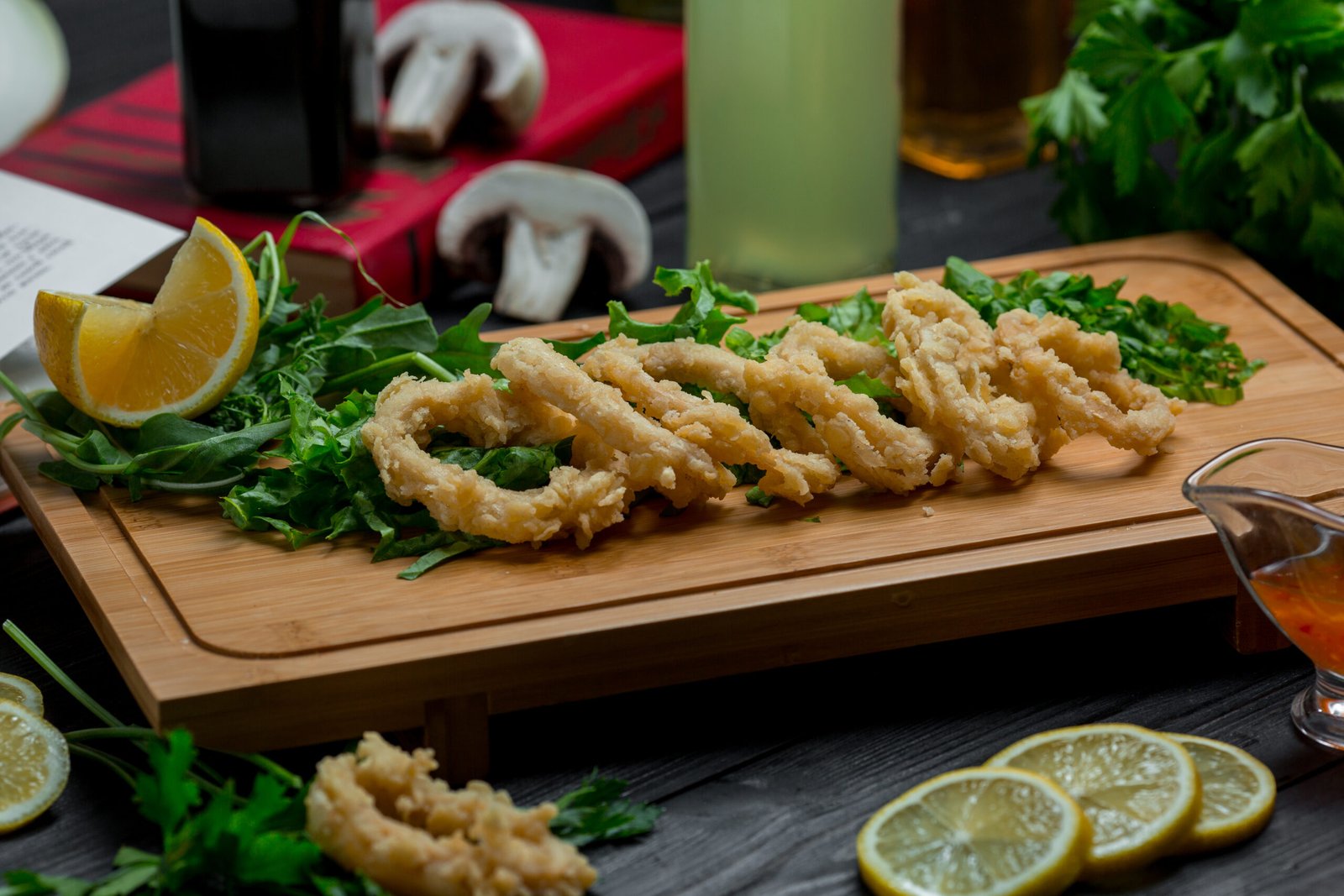
We present an in-depth and authoritative guide to calamariere, a term that attracts increasing attention among readers interested in language, culinary traditions, and cultural terminology. As more users encounter this word in written texts, menus, historical references, or online discussions, the need for a clear and structured explanation becomes essential. This article provides a comprehensive analysis of calamariere, exploring its meaning, linguistic roots, cultural relevance, and modern usage. Our goal is to deliver accurate, detailed, and well-organized content that serves as a definitive reference for anyone seeking to understand calamariere in its full context.
Understanding the Meaning of Calamariere
The term calamariere originates from Italian linguistic tradition and is closely associated with culinary and service-related contexts. At its core, calamariere refers to an individual or role connected to the preparation, handling, or service of calamari, which are squid dishes commonly found in Mediterranean cuisine. The word itself reflects a functional designation, derived from “calamaro,” the Italian word for squid, combined with a suffix indicating profession or role.
We recognize that calamariere is not a casual or slang expression; rather, it carries descriptive value within specific cultural or gastronomic environments. Its meaning is best understood through context, particularly within traditional Italian dining or historical service structures.
Linguistic Origins and Etymology of Calamariere
The linguistic roots of calamariere lie firmly in Romance language construction. Italian, known for its expressive occupational nouns, often forms role-based terms by adding descriptive suffixes to core nouns. In this case, “calamaro” evolves into calamariere, signaling association, specialization, or responsibility.
From a linguistic perspective, calamariere exemplifies how language adapts to culinary culture. The existence of such a term reflects the importance of seafood, particularly squid, in regional Italian cuisine. Understanding this etymology allows readers to appreciate calamariere not merely as a word, but as a reflection of culinary heritage.
Calamariere in Italian Culinary Culture
In traditional Italian culinary settings, roles are often clearly defined, especially in historic or high-end establishments. The calamariere would traditionally be responsible for tasks related to squid preparation or service, ensuring quality, presentation, and consistency. This role underscores the cultural emphasis placed on ingredient specialization and respect for food preparation techniques.
We observe that while the term calamariere may not be commonly used in modern everyday language, it remains relevant in historical references, culinary literature, and discussions of traditional food service structures. Its continued presence highlights the depth and precision of Italian gastronomic vocabulary.
Modern Usage and Contextual Interpretation of Calamariere
In contemporary contexts, calamariere is more likely to appear in academic writing, culinary history discussions, or specialized food-related content rather than casual conversation. Modern kitchens often consolidate roles, reducing the need for highly specific occupational titles. However, the term remains valuable for descriptive accuracy and cultural authenticity.
We emphasize that understanding calamariere today requires contextual awareness. Readers may encounter the word in translated texts, historical menus, or culinary analyses, where its precise meaning enhances comprehension and cultural appreciation.
Why Calamariere Is Searched Online
Search interest in calamariere typically arises from curiosity, academic research, or exposure through reading or dining experiences. Users often seek clarification after encountering the term in unfamiliar contexts. This behavior aligns with broader trends in language-based searches, where individuals look to verify meaning, origin, and appropriate usage.
By addressing these questions comprehensively, content centered on calamariere fulfills informational intent while establishing authority and relevance within search results.
Cultural Significance and Interpretive Value
The cultural significance of calamariere lies in its representation of specialization and tradition. Italian culture has long celebrated craftsmanship, whether in food, art, or language. Terms like calamariere embody this tradition by recognizing specific roles tied to culinary excellence.
We consider calamariere an example of how language preserves cultural practices, even as modern usage evolves. Understanding such terms enriches cultural literacy and deepens appreciation for culinary heritage.
Conclusion
We conclude that calamariere is a meaningful and culturally grounded term with strong roots in Italian language and cuisine. Through its linguistic structure, historical usage, and culinary relevance, calamariere offers valuable insight into traditional food service roles and cultural expression. This article provides a clear, comprehensive, and authoritative explanation designed to inform readers and serve as a reliable reference for understanding the term in both historical and modern contexts.
Frequently Asked Questions (FAQ)
What does calamariere mean?
Calamariere is an Italian term referring to a role associated with the preparation or service of calamari (squid), particularly in traditional culinary contexts.
Is calamariere still used today?
While less common in modern everyday language, calamariere appears in historical, academic, and culinary discussions.
Where does the word calamariere come from?
The term originates from the Italian word “calamaro,” meaning squid, combined with a suffix indicating a professional or functional role.
Is calamariere specific to Italian cuisine?
Yes, calamariere is rooted in Italian culinary and linguistic tradition and reflects the cultural importance of seafood preparation.
Why do people search for calamariere online?
Most searches are driven by curiosity, research, or the need to understand the term after encountering it in written or cultural contexts.
