
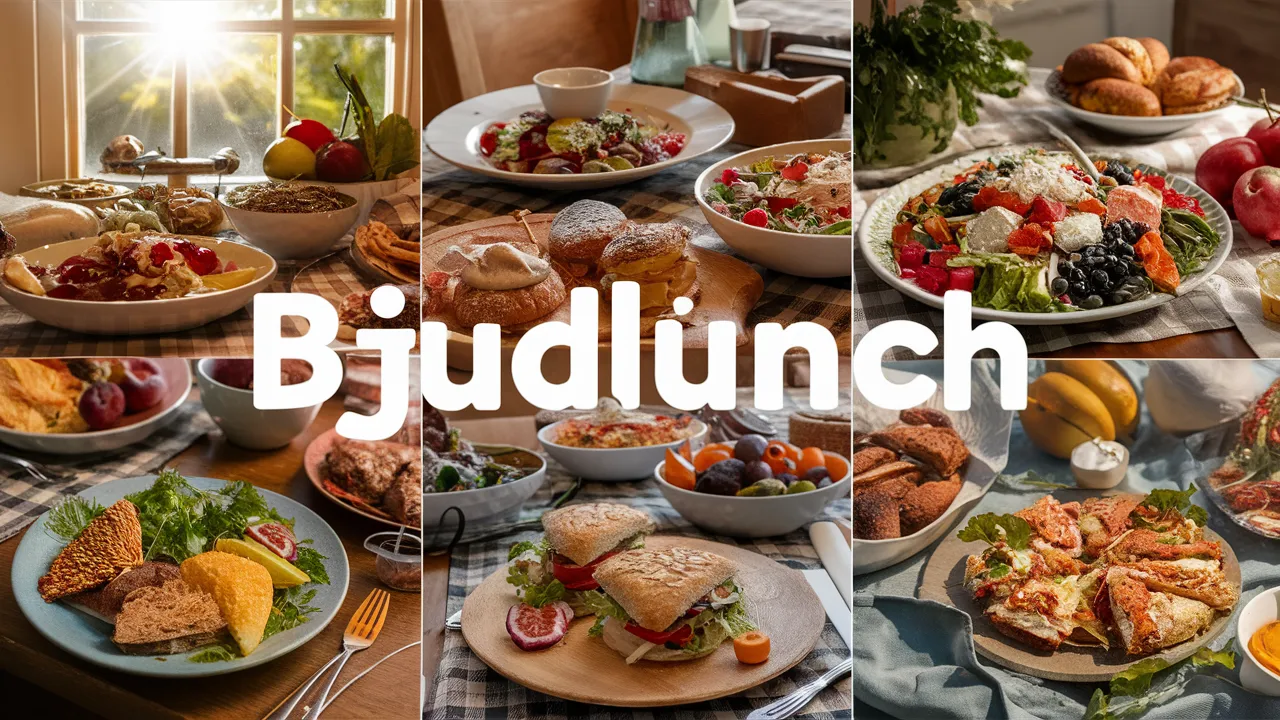
In Sweden, the concept of Bjudlunch is more than just a midday meal—it is a cornerstone of social and professional culture. The term literally translates to “invite lunch,” and it reflects a tradition where individuals or businesses host a meal to foster relationships, celebrate achievements, or conduct informal meetings. Bjudlunch plays a pivotal role in both personal interactions and business networking, creating an environment where connections are strengthened over good food and engaging conversation.
Understanding the nuances of Bjudlunch is essential for professionals, expatriates, and travelers seeking to navigate Swedish social and business norms effectively. This comprehensive guide explores the cultural significance, etiquette, practical applications, and modern adaptations of Bjudlunch, providing a roadmap for anyone looking to participate or host one successfully.
What Is Bjudlunch?
Bjudlunch is a Swedish tradition where one party hosts a lunch, typically paying for the meal, to engage in social or business interactions. Unlike casual lunches, Bjudlunch carries an underlying purpose—whether it is networking, discussing business strategies, or fostering goodwill. The inviting party demonstrates generosity and hospitality, while the attendees reciprocate with engagement and gratitude.
Key characteristics of Bjudlunch include:
-
Invitational Nature: One party invites another, covering the cost of the meal.
-
Purposeful Interaction: Often aligned with networking, client relations, or social bonding.
-
Informal Setting: While professional, the atmosphere is relaxed and conducive to open conversation.
-
Cultural Significance: Reflects Swedish values of equality, respect, and collaboration.
The practice of Bjudlunch is particularly popular in corporate environments but also extends to personal settings where friends or acquaintances strengthen bonds over a shared meal.
Cultural Importance of Bjudlunch in Sweden
Swedish culture places a strong emphasis on egalitarianism, mutual respect, and relationship-building. Bjudlunch embodies these values by creating an opportunity for meaningful interaction outside the rigid confines of the office or formal meetings.
Some key aspects include:
-
Strengthening Professional Networks: Inviting colleagues or clients for lunch fosters trust and enhances working relationships.
-
Encouraging Open Communication: Informal settings make it easier to discuss ideas, solve problems, or share feedback.
-
Demonstrating Appreciation: Hosting a lunch signals recognition of effort, loyalty, or partnership.
-
Promoting Work-Life Balance: Midday breaks for social meals contribute to employee well-being and morale.
By participating in Bjudlunch, both hosts and guests embrace a cultural practice that prioritizes connection, collaboration, and social harmony.
Bjudlunch in Business Contexts
In professional settings, Bjudlunch is more than just a meal—it is a strategic tool for building relationships and closing deals. Businesses leverage it to:
-
Impress Clients or Partners: Hosting a thoughtful lunch demonstrates commitment and professionalism.
-
Foster Team Cohesion: Bringing team members together encourages camaraderie and shared goals.
-
Negotiate Informally: The relaxed environment allows for discussions that may be difficult in formal meetings.
-
Recruit and Retain Talent: Offering a Bjudlunch to prospective employees or valued staff members enhances engagement and loyalty.
Understanding the subtle etiquette of Bjudlunch is crucial for international professionals. Hosts typically cover the bill, maintain a balance between conversation and dining, and ensure that everyone feels comfortable and included.
Popular Locations and Meal Options for Bjudlunch
The choice of location and menu can significantly influence the success of a Bjudlunch. Options range from casual cafés to upscale restaurants, with the key being a comfortable and inviting atmosphere. Common meal ideas include:
-
Traditional Swedish Dishes: Meatballs, salmon, herring, or open-faced sandwiches known as “smörgås.”
-
Contemporary Lunch Menus: Light salads, soups, sandwiches, or seasonal dishes that accommodate dietary preferences.
-
International Cuisine: Italian, Asian, or Mediterranean options are popular in urban centers and multinational business settings.
The emphasis is on quality, presentation, and comfort rather than extravagance. Drinks typically include water, soft beverages, or coffee for post-lunch discussions.
Etiquette Tips for Attending or Hosting a Bjudlunch
Following proper etiquette ensures that the Bjudlunch experience is positive and culturally respectful:
-
RSVP Promptly: Confirm attendance and communicate any dietary restrictions.
-
Arrive on Time: Punctuality demonstrates respect for the host and other attendees.
-
Engage in Conversation: Focus on meaningful dialogue, showing interest in participants’ perspectives.
-
Express Gratitude: Thank the host sincerely, ideally both verbally and with a follow-up message.
-
Dress Appropriately: Smart casual attire is generally preferred, balancing professionalism and comfort.
Adhering to these guidelines strengthens relationships and reflects positively on both hosts and guests.
Modern Adaptations of Bjudlunch
With evolving work environments and increasing digital communication, Bjudlunch has adapted to modern lifestyles:
-
Remote Bjudlunch: Virtual lunches via video calls allow participants in different locations to engage meaningfully.
-
Themed Lunches: Focus on specific topics or seasonal foods to make gatherings more memorable.
-
Collaborative Meals: Incorporate workshops, brainstorming sessions, or team-building activities alongside the meal.
These innovations maintain the tradition while accommodating contemporary needs, making Bjudlunch relevant for both in-person and digital interactions.
Conclusion
Bjudlunch is an integral part of Swedish culture, representing more than a meal—it embodies social connection, professional networking, and mutual respect. By hosting or attending a Bjudlunch, individuals and organizations can foster meaningful relationships, enhance collaboration, and participate in a culturally significant tradition that strengthens both personal and professional ties.
Understanding the etiquette, locations, meal options, and modern adaptations ensures that every Bjudlunch is effective, enjoyable, and impactful. Whether for business purposes or social engagement, embracing this tradition provides opportunities for connection, conversation, and cultural immersion.
FAQ: Bjudlunch
Q1: What is a Bjudlunch?
A1: A Bjudlunch is a Swedish tradition where one party hosts and pays for lunch, typically for business or social purposes.
Q2: Who usually hosts a Bjudlunch?
A2: It is generally hosted by a person or organization wishing to foster relationships, appreciate colleagues, or discuss professional matters.
Q3: What is the etiquette for attending a Bjudlunch?
A3: RSVP promptly, arrive on time, engage in conversation, dress appropriately, and thank the host.
Q4: Can Bjudlunch be adapted for remote work?
A4: Yes, virtual Bjudlunch via video conferencing has become a popular alternative for remote teams and international connections.
Q5: What types of meals are typical for Bjudlunch?
A5: Traditional Swedish dishes, light lunches, salads, soups, sandwiches, or international cuisine are all common choices.
