
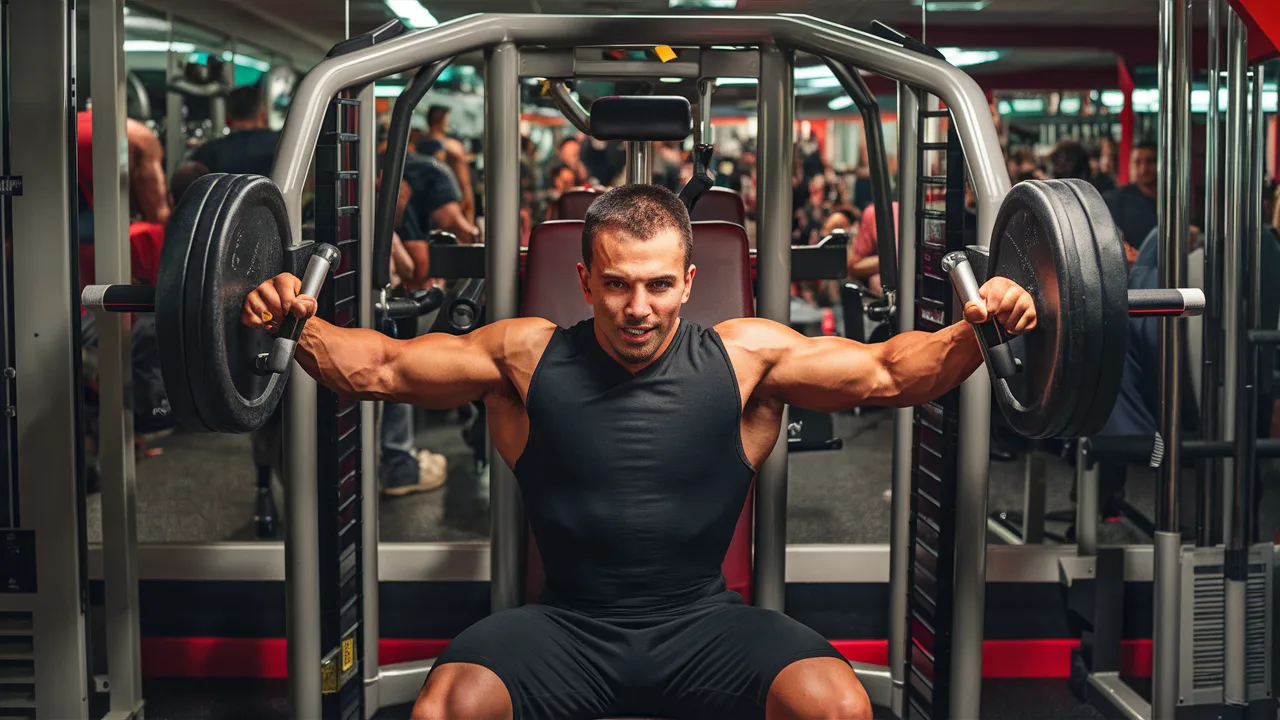
We recognize the chest press machine as one of the most effective and accessible pieces of equipment for building upper body strength and muscle definition. Whether we are beginners stepping into the gym for the first time or experienced lifters refining our routines, the chest press machine offers a controlled, safe, and highly efficient way to target the chest muscles. In this comprehensive guide, we explore everything from proper technique and benefits to variations and common mistakes, ensuring that we maximize results while minimizing injury risk.
What Is a Chest Press Machine?
The chest press machine is a resistance training device designed to simulate the motion of a bench press while providing additional stability and support. Unlike free weights, the machine guides our movement along a fixed path, making it easier to maintain proper form. It primarily targets the pectoral muscles, while also engaging the shoulders and triceps.
This equipment is commonly found in gyms and is suitable for individuals at all fitness levels due to its adjustable resistance and ergonomic design.
Key Benefits of Using a Chest Press Machine
1. Enhanced Safety and Stability
One of the most significant advantages is the built-in safety mechanism. Since the machine controls the movement, we reduce the risk of dropping weights or losing balance, making it ideal for beginners.
2. Targeted Muscle Activation
The chest press machine isolates the pectoralis major more effectively by minimizing the involvement of stabilizing muscles. This allows us to focus directly on chest development.
3. Beginner-Friendly Design
We can easily adjust the seat height and weight, making it accessible for those who are new to strength training. The guided motion ensures consistent and correct movement patterns.
4. Progressive Overload Made Easy
Increasing resistance is simple, allowing us to gradually challenge our muscles and achieve continuous growth and strength improvement.
How to Use a Chest Press Machine Correctly
Proper technique is essential to maximize results and prevent injury. We should follow these steps:
- Adjust the seat so that the handles align with the middle of our chest
- Keep feet flat on the ground for stability
- Grip the handles firmly with palms facing forward
- Push the handles forward slowly, extending arms without locking elbows
- Return to the starting position in a controlled motion
Maintaining a neutral spine and controlled breathing enhances performance and ensures safety.
Muscles Worked by the Chest Press Machine
The chest press machine targets multiple upper body muscles:
- Pectoralis Major (Primary Muscle) – responsible for chest size and strength
- Anterior Deltoids – front shoulder muscles assisting in pushing movements
- Triceps Brachii – involved in arm extension
By engaging these muscle groups, we achieve a balanced upper body workout.
Chest Press Machine vs Bench Press
Key Differences
- Chest Press Machine: Offers stability, controlled motion, and beginner-friendly design
- Bench Press: Requires more balance, engages stabilizer muscles, and allows greater range of motion
While the bench press is often preferred for advanced training, the chest press machine provides a safer and more controlled alternative, especially for those focusing on form and isolation.
Best Chest Press Machine Workouts
1. Beginner Routine
- 3 sets of 10–12 repetitions
- Moderate weight with focus on form
2. Intermediate Routine
- 4 sets of 8–10 repetitions
- Gradually increase resistance
3. Advanced Routine
- 4–5 sets of 6–8 repetitions
- Heavy weights with controlled movement
Incorporating variations such as incline or decline chest press machines can further enhance muscle development.
Common Mistakes to Avoid
Using Excessive Weight
Lifting too heavy can compromise form and lead to injury. We should prioritize control over load.
Locking the Elbows
Fully locking the elbows places unnecessary stress on joints. Maintaining a slight bend ensures safety.
Incorrect Seat Position
Improper alignment reduces effectiveness and increases injury risk. Always adjust the seat correctly.
Rushing the Movement
Fast repetitions reduce muscle engagement. Controlled movements maximize muscle activation and growth.
Tips to Maximize Results
- Focus on slow and controlled repetitions
- Engage core muscles for stability
- Combine with other chest exercises for balanced training
- Maintain consistent workout routines
Consistency and proper technique are key to achieving optimal strength and muscle development.
Who Should Use a Chest Press Machine?
The chest press machine is suitable for:
- Beginners learning proper form
- Individuals recovering from injuries
- Gym-goers seeking muscle isolation
- Advanced lifters adding variety to workouts
Its versatility makes it a valuable addition to any fitness routine.
Conclusion
We consider the chest press machine an essential tool for building strength, improving muscle definition, and enhancing overall fitness performance. Its combination of safety, simplicity, and effectiveness makes it ideal for users of all experience levels. By mastering proper technique, avoiding common mistakes, and following structured workouts, we can achieve consistent and impressive results. Incorporating the chest press machine into our training routine ensures a stronger, more defined upper body and long-term fitness success.
Frequently Asked Questions (FAQ)
Is the chest press machine good for beginners?
Yes, it is one of the best machines for beginners due to its guided motion and safety features.
How often should I use the chest press machine?
We can include it in our routine 2–3 times per week, allowing proper muscle recovery.
Can the chest press machine replace bench press?
It can complement but not fully replace the bench press, as both offer unique benefits.
What weight should I start with?
Start with a weight that allows 10–12 controlled repetitions without strain.
Does the chest press machine build muscle effectively?
Yes, when used correctly, it is highly effective for building chest strength and muscle mass.
