
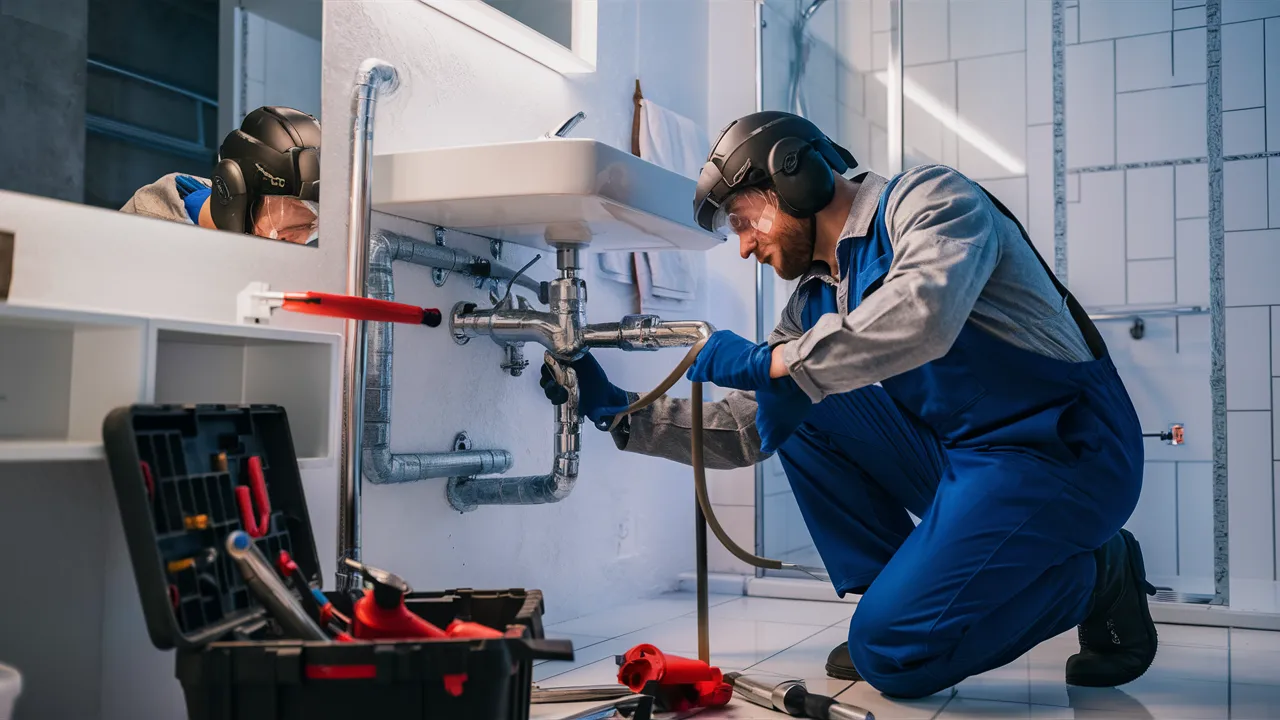
Plumbing installation is a critical component of any residential or commercial building, forming the backbone of water distribution and waste management systems. A well-designed and properly installed plumbing system ensures efficient water flow, long-term durability, and minimal maintenance issues. Whether constructing a new property or upgrading an existing system, understanding the fundamentals of plumbing installation helps ensure optimal performance and cost-effectiveness. We provide a comprehensive, detailed guide that covers every aspect of plumbing installation, from planning and materials to execution and maintenance.
Understanding Plumbing Installation
Plumbing installation involves the design, assembly, and connection of pipes, fixtures, valves, and drainage systems to ensure proper water supply and waste disposal. It requires careful planning to ensure compliance with building codes, efficient water pressure, and long-term system reliability. A properly installed plumbing system not only improves convenience but also prevents leaks, water damage, and costly repairs in the future.
Types of Plumbing Systems
1. Water Supply System
This system delivers clean water to various fixtures, including sinks, showers, and appliances. It relies on pressure to ensure consistent flow and requires high-quality pipes to prevent contamination.
2. Drainage System
The drainage system removes wastewater and sewage from the property. It operates through gravity and must be properly sloped to avoid blockages.
3. Venting System
Vents regulate air pressure within the plumbing system, preventing vacuum locks and ensuring smooth drainage.
4. Gas Plumbing System
In some buildings, plumbing installation also includes gas lines for appliances such as stoves and heaters, requiring strict safety standards.
Essential Materials for Plumbing Installation
Selecting the right materials is crucial for durability and efficiency:
- PVC Pipes: Lightweight, affordable, and resistant to corrosion
- Copper Pipes: Durable and ideal for hot water systems
- PEX Pipes: Flexible and easy to install
- Brass Fittings: Long-lasting and resistant to wear
- Valves and Fixtures: Essential for controlling water flow
Each material has specific advantages, and choosing the right combination ensures a long-lasting plumbing system.
Tools Required for Plumbing Installation
Professional plumbing installation requires specialized tools to ensure precision:
- Pipe cutters and wrenches
- Plungers and augers
- Pipe threaders
- Measuring tape and levels
- Sealants and adhesives
Using the correct tools improves efficiency and reduces the risk of errors during installation.
Step-by-Step Plumbing Installation Process
Planning and Design
The first step involves creating a detailed layout of the plumbing system, including pipe routes, fixture locations, and drainage paths. Proper planning ensures efficient water flow and compliance with local regulations.
Pipe Installation
Pipes are installed according to the design, ensuring proper alignment and secure connections. This step requires careful measurement and cutting to avoid leaks.
Fixture Installation
Fixtures such as sinks, toilets, and showers are installed and connected to the plumbing system. Proper sealing is essential to prevent leaks.
Testing the System
Once installation is complete, the system is tested for leaks, pressure consistency, and drainage efficiency. Any issues are addressed before finalizing the installation.
Final Inspection
A thorough inspection ensures the system meets safety and quality standards, providing long-term reliability.
Common Plumbing Installation Mistakes to Avoid
- Incorrect Pipe Sizing: Leads to poor water pressure
- Improper Slope in Drainage: Causes blockages and slow drainage
- Poor Sealing: Results in leaks and water damage
- Ignoring Venting Requirements: Affects system efficiency
- Using Low-Quality Materials: Reduces durability
Avoiding these mistakes ensures a high-performing plumbing system.
Cost Factors in Plumbing Installation
The cost of plumbing installation depends on several factors:
- Property Size: Larger properties require more materials and labor
- Material Selection: Premium materials increase costs
- Labor Charges: Professional expertise adds to the expense
- Complexity of Design: More intricate systems require additional work
Understanding these factors helps in budget planning and cost optimization.
Benefits of Professional Plumbing Installation
Hiring professionals ensures:
- Accurate installation and compliance with regulations
- Reduced risk of leaks and future repairs
- Efficient water usage and energy savings
- Long-term durability and reliability
Professional installation provides peace of mind and ensures optimal performance.
Maintenance Tips After Installation
To maintain a plumbing system effectively:
- Regularly inspect for leaks
- Clean drains to prevent blockages
- Check water pressure levels
- Replace worn-out components promptly
- Schedule periodic professional inspections
Proper maintenance extends the lifespan of the system and prevents costly repairs.
Future Trends in Plumbing Installation
Modern plumbing systems are evolving with technology, incorporating:
- Smart water monitoring systems
- Eco-friendly materials
- Water-saving fixtures
- Advanced leak detection systems
These innovations enhance efficiency and sustainability, shaping the future of plumbing installation.
Conclusion
Plumbing installation is a fundamental aspect of building infrastructure that requires careful planning, quality materials, and precise execution. A well-installed system ensures efficient water distribution, reliable drainage, and long-term durability, making it a worthwhile investment for any property. By understanding the installation process, avoiding common mistakes, and following best practices, we can achieve a plumbing system that meets both functional and safety standards. Whether for residential or commercial use, proper plumbing installation is key to maintaining a comfortable and efficient living environment.
Frequently Asked Questions (FAQ)
1. What is plumbing installation?
Plumbing installation refers to the setup of pipes, fixtures, and systems that supply water and remove waste in a building.
2. How long does plumbing installation take?
The duration depends on the project size and complexity but typically ranges from a few days to several weeks.
3. What materials are best for plumbing installation?
Common materials include PVC, copper, and PEX, each offering different benefits.
4. Can I do plumbing installation myself?
While minor tasks can be DIY, professional installation is recommended for complex systems and safety compliance.
5. How much does plumbing installation cost?
Costs vary based on materials, labor, and project size, making it important to plan a detailed budget.
